

Adapting Project Management Skills with Interactive Modules

Chosen theme: Adapting Project Management Skills with Interactive Modules. Discover how hands-on, scenario-based learning helps you upgrade core PM capabilities faster and more confidently, transforming knowledge into action the moment your project landscape shifts.

Learning by Doing, Not Memorizing

Instead of reading about risk registers or change control, you practice them inside branching scenarios. You make choices, see consequences, and correct course. That cycle of action and feedback builds muscle memory, helping you adapt your project management skills precisely when the unexpected arrives.

Microlearning That Fits Your Sprints

Short, focused modules slip into your workday like well-planned user stories. Ten minutes here, fifteen there, yet each interactive exercise targets a real competency gap. By the end of a sprint, you’ve banked meaningful improvements without derailing delivery or burning evenings on passive theory.

Evidence From Real Teams

A healthcare PMO piloted scenario modules across three teams and saw sprint spillover shrink within a quarter. The difference wasn’t more process; it was practicing trade-offs in simulations before making them on live initiatives. Want similar gains? Share your context below, and we’ll suggest a tailored practice path.

Core PM Skills Reimagined Through Modules

You negotiate scope with a virtual sponsor who keeps surfacing late-breaking features. Each acceptance or deferral changes your critical path, resource load, and stakeholder sentiment. The module nudges you to articulate trade-offs aloud, making disciplined change control feel natural, not bureaucratic.

Core PM Skills Reimagined Through Modules

In timed drills, you identify threats and opportunities from messy, realistic data: vendor emails, budget drift, and ambiguous requirements. Then you choose responses and calibrate reserves. Immediate feedback shows where you overreacted or missed a compound risk, sharpening your instincts for real-time decision-making.
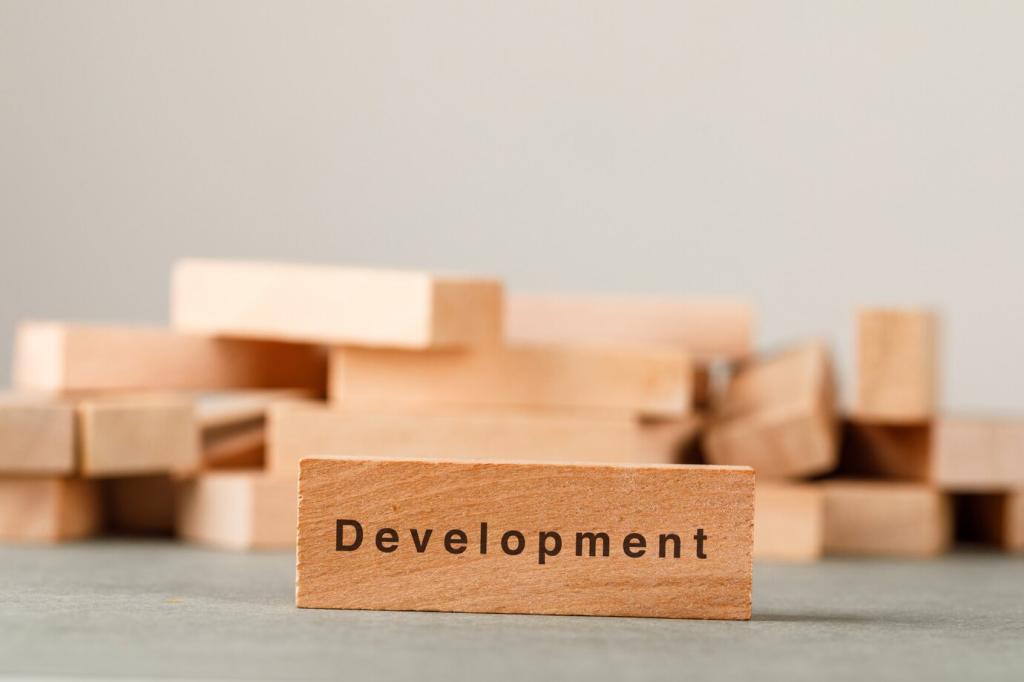

Branching Agile Scenarios

Run a backlog refinement where dependencies surprise you and priorities change mid-session. Choose how to slice work, manage velocity expectations, and keep stakeholders aligned. The module surfaces invisible trade-offs, teaching you to adapt agile practices without sacrificing transparency or delivery predictability.

Hybrid Governance Without Friction

Practice balancing sprint-based delivery with milestone reporting demanded by executive sponsors. You’ll design a lightweight control framework, map artifacts to decision points, and defend your approach in simulated reviews. By iterating inside the module, you reduce friction before it slows your real program.

Waterfall With Modern Tooling

In a compliance-heavy environment, you build a crisp WBS, baseline the schedule, then react to a regulatory change. The module lets you re-sequence activities, update earned value metrics, and craft a narrative leadership can trust. Classical discipline meets adaptive thinking, minus the dogma.

Data-Driven Feedback Loops for Continuous Growth

As your environment evolves, some strengths fade. The module’s dashboard highlights drift in areas like risk quantification or stakeholder mapping. You’ll see trend lines, compare scenarios, and schedule refreshers. Comment with a skill you want to shore up, and we’ll recommend a focused drill.

Data-Driven Feedback Loops for Continuous Growth

Questions and scenarios rise in complexity as your accuracy improves, then resurface at smart intervals to prevent forgetting. This spaced, adaptive approach means you invest effort where it matters most, compounding small wins into durable capability you can trust under deadline stress.

Human Stories From the Module Floor

Priya inherited a late, over-scoped release. After two evenings with change-control simulations, she reframed options with her sponsor, traded nonessential features for stability, and restored trust. Her reflection: practicing tough conversations in a safe sandbox made the live meeting feel surprisingly calm.

Human Stories From the Module Floor

Luis used facilitation modules to practice guiding sprint planning and retrospectives. He learned to surface quiet voices and convert conflict into clarity. Within a month, his team’s cycle time improved, and engagement rose. He now schedules one interactive lab each Friday to keep sharpening.

Your Action Plan to Start Adapting Today

Choose one live friction point—estimation accuracy, scope changes, or stakeholder tension—and match it to an interactive module. Practice until your choices and explanations feel natural. Comment with your selected challenge, and we’ll recommend a scenario to jump-start progress.

Your Action Plan to Start Adapting Today

Define a two-week objective like “reduce planning variance by ten percent” or “improve sponsor confidence scores.” Schedule three short modules and one team debrief. Track impact in your sprint review so learning and delivery advance together, not in competing lanes.
Ciodesia
Privacy Overview

This website uses cookies so that we can provide you with the best user experience possible. Cookie information is stored in your browser and performs functions such as recognising you when you return to our website and helping our team to understand which sections of the website you find most interesting and useful.